







Search Results for: Chinese Tea
Why do Chinese people prefer milk tea over coffee? Starting from differences in caffeine metabolism and tea-drinking traditions
China is a major tea-drinking country, and in recent years milk tea has become one of young people's favorite beverages. Coffee and milk tea both contain caffeine, yet Chinese people's preferences for the two differ markedly. Behind this lie factors ranging from genetic metabolic capacity to the low-caffeine habit formed by Chinese people's long history of tea drinking, occupational structure, and differences in how income groups rely on stimulants versus sugar. This article will analyze, from the angles of caffeine content, metabolic genes, tea-drinking tradition, and workplace consumption data, why Chinese people favor milk tea over coffee, and explore the potential health risks of excessive caffeine intake. [more…]
Young people spark a trend of herbal tea drinks, a new wellness lifestyle quietly emerges
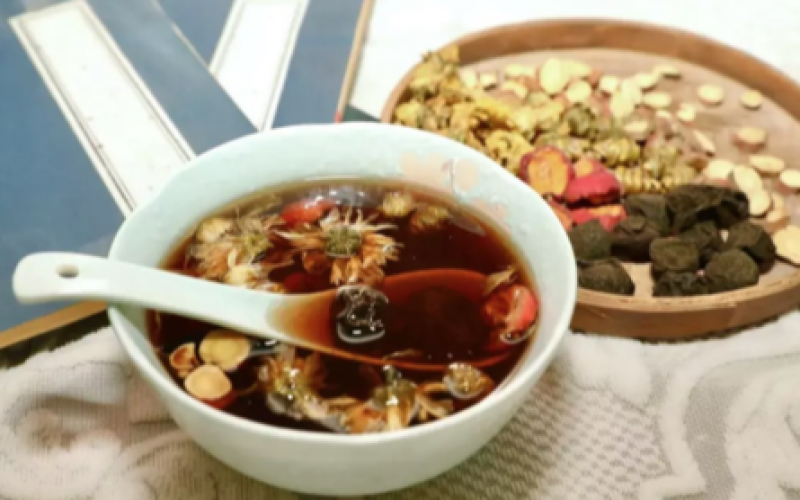
In recent years, with the rise of the "national trend" culture, the "new Chinese-style" wellness concept has quickly gained popularity among young people. After saying goodbye to bad habits such as staying up late, smoking, and drinking, more and more young people are beginning to favor Chinese herbal medicinal diets and Chinese herbal teas. On social media, herbal milk tea frequently goes viral, and health teas dispensed by hospitals and herbal drinks launched by traditional Chinese medicine clinics through cross-sector collaborations are highly sought after. Data shows that over 70% of consumers are more willing to buy Chinese herbal teas and express satisfaction with their functional effects. Numerous pharmaceutical companies have entered the market, launching innovative products such as wellness coffee and herbal teas. However, experts also remind that although Chinese herbal teas are beneficial, they should be consumed in moderation, following the principle of "stopping once the illness is cured," to avoid counterproductive effects. [more…]
The Real Operational Struggles Behind the Herbal Tea Beverage Boom: Franchisees Losing 30,000 Yuan a Month, Formula and Taste Challenges Yet to Be Solved
Traditional Chinese medicine milk tea, traditional Chinese medicine fruit tea, traditional Chinese medicine wellness tea… In recent years, a trend of "any tea can be infused with traditional Chinese medicine" has spread rapidly through the tea beverage industry. In the summer of 2024, the traditional Chinese medicine tea beverage sector was especially booming, with a new brand opening more than 140 stores within 8 months, and related topic views exceeding 150 million. However, is this craze a true outlet or a short-lived gimmick? Mr. Zhou in Zhengzhou, Henan, invested more than 400,000 yuan to join a well-known traditional Chinese medicine tea beverage brand, but encountered difficulties such as the headquarters failing to deliver on its formula promises and flavors being hard for consumers to accept, ultimately suffering months of continuous losses and having no choice but to close the store and relocate. This article provides an in-depth analysis of the opportunities and challenges in the traditional Chinese medicine tea beverage industry, and explores the market prospects and operational risks under the concept of "medicine and food homology." [more…]
What Are the Differences Between Chinese Black Tea and Indian Black Tea? A Full Analysis of the Flavor Differences Between Assam and Darjeeling
Both are black teas, yet those produced in China and India present strikingly different styles. Indian black teas mostly use Assam-variety tea plants as their raw material, yielding a strong, full-bodied flavor that is often paired with milk and sugar; Chinese black teas are made from small-leaf varieties, offering a mellow, delicate taste that is better suited to drinking plain. Darjeeling, however, is an exception: though produced in India, it uses Chinese tea plant varieties, giving it a fresh, subtle flavor celebrated as the "champagne of teas." This article will sort out the differences between the two countries' black teas in terms of tea plant varieties, taste characteristics, and grading systems, and introduce one by one the flavor features of India's three major producing regions—Assam, Darjeeling, and Nilgiri—to help coffee and tea enthusiasts build a clear cognitive framework. [more…]
Nayuki Dream Factory Creates a Chinese Theater Concept: Over Twenty New Chinese-Style Pastries Blend with Theatrical Culture
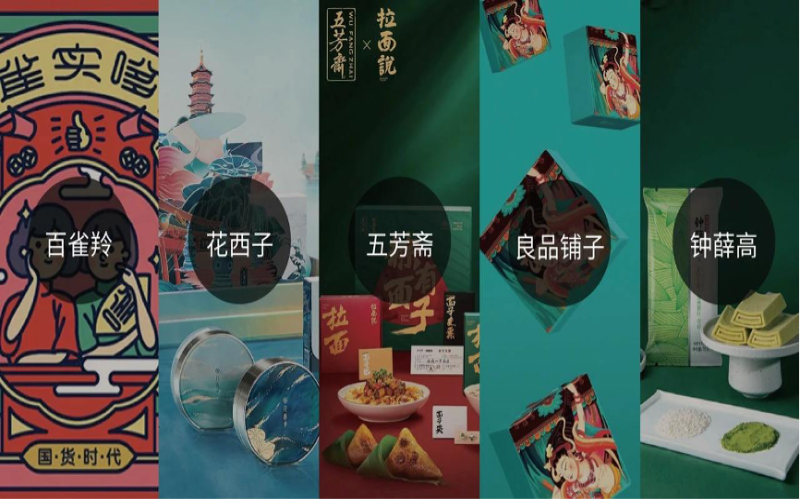
In recent years, the national trend has been on the rise, and local cultural elements have become increasingly common in consumer brands. As a leading brand in the new-style tea beverage sector, Nayuki has abandoned its former Japanese-leaning brand image and transformed Nayuki Dream Factory into an opera space full of Chinese charm, launching more than 20 new Chinese-style pastries represented by mochi and palmiers, with each product corresponding to a classic opera such as The Drunken Concubine, The Peony Pavilion, and Farewell My Concubine. The store also displays traditional theater merchandise such as covered bowls and folding fans, creating an atmosphere of stepping into a traditional opera garden. Previously, Heytea also launched Axi Teahouse incorporating Sichuan opera elements. Against the backdrop of widespread price increases in the tea beverage industry, Heytea attracted market attention with a low price of nine yuan, and whether Nayuki's move into the national-trend pastry track can break through is worth continued attention. [more…]
A Comprehensive Analysis of China's Premium Black Tea Categories: Authentic Top-Tier Black Tea Brands and the Way of Natural Cultivation
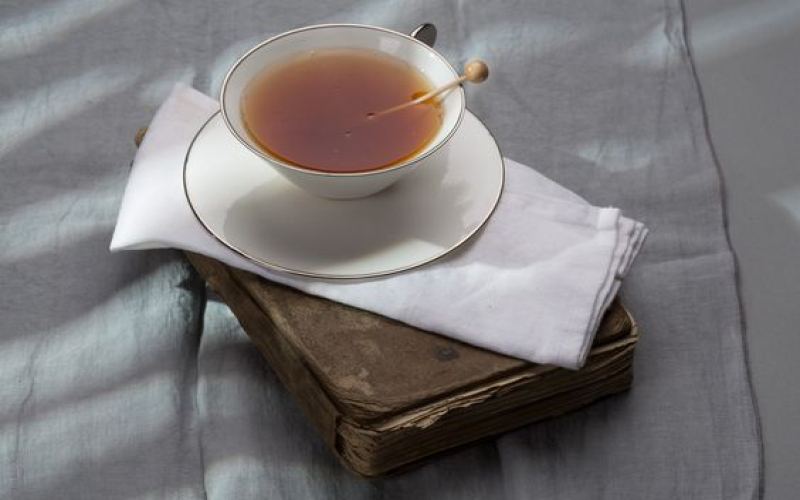
China is the birthplace of black tea and boasts many high-quality black teas. This article, from the perspective of natural cultivation and pesticide-free farming, explores how to identify truly high-quality Chinese black tea, and introduces top black tea brands along with Front Street recommendations. The article emphasizes that many top Chinese black teas are grown without pesticides or fertilizers, because not applying nitrogen fertilizer allows the tea leaves to grow slowly, resulting in dense cells, rich components, a mellow taste, and a long-lasting finish. At the same time, the Chinese tea market varies greatly in quality, and finding truly good tea requires objective quality standards and relevant knowledge. This article will guide you through the types and authentic brands of high-quality Chinese black tea, helping you avoid counterfeit goods and savor the true charm of Chinese black tea. [more…]

From Clay Pots and Purple Clay to Double Boiling: How Chinese-Style Coffee Forges Its Own Path by Drawing on Local Vessels and Culinary Wisdom
While the milk tea world perfectly combines ritual and local ingredients with jar-brewed milk tea, the coffee world's "new Chinese style" frequently sparks controversy due to its bizarre pairings. In fact, China's rich cooking techniques and tea-brewing methods can absolutely serve as sources of inspiration for the localization of coffee—double-boiled coffee, purple clay pot steamed coffee, and Macau clay pot coffee. These attempts all use principles such as low-temperature slow extraction and even heating to give coffee a smoother, richer flavor. This article reviews the practices of these Chinese-style coffee schools, explores how innovation can stay rooted in the soul of coffee, and offers new ideas for the local expression of specialty coffee. [more…]
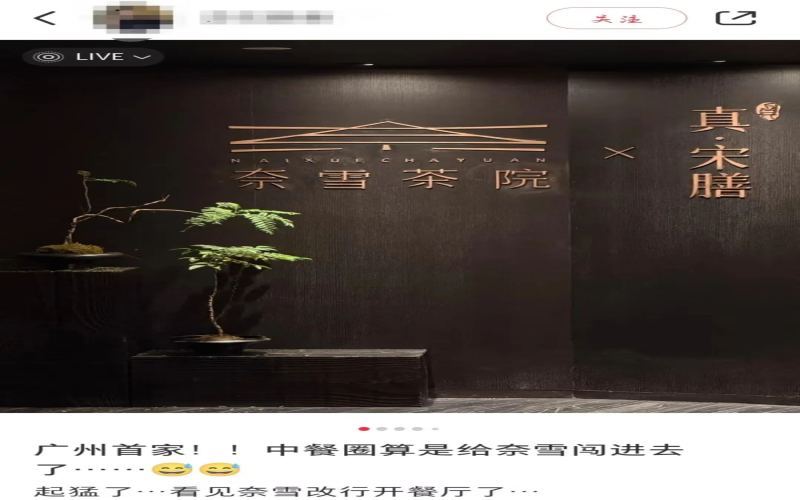
Nayuki Tea Courtyard's Guangzhou branch launches Cantonese cuisine fusion dishes, sparking heated discussion among consumers over the cross-industry move into Chinese dining
Recently, a netizen discovered a Chinese menu at a Nai Xue Tea Academy in Guangzhou, featuring exquisite morning tea dim sum and regional specialty dishes, which sparked widespread attention. Nai Xue Tea Academy is a brand under Nai Xue that focuses on the Chinese tea experience. It just opened its first Guangzhou store last month, also its sixth location and first step outside Shenzhen. The "Nai Xue Chinese restaurant" referred to by netizens is actually a Cantonese fusion cuisine space created by the store in partnership with Zhen·Songshan, allowing customers to dine while enjoying tea. However, the pricing and culinary positioning of the dishes have sparked controversy, with some consumers finding the value for money insufficient, while others pointed out that dishes such as crab roe-stuffed orange seem more like Jiangsu-Zhejiang cuisine. Against the backdrop of Nai Xue withdrawing from multiple locations, whether this cross-industry attempt will be accepted by the market remains to be seen. [more…]
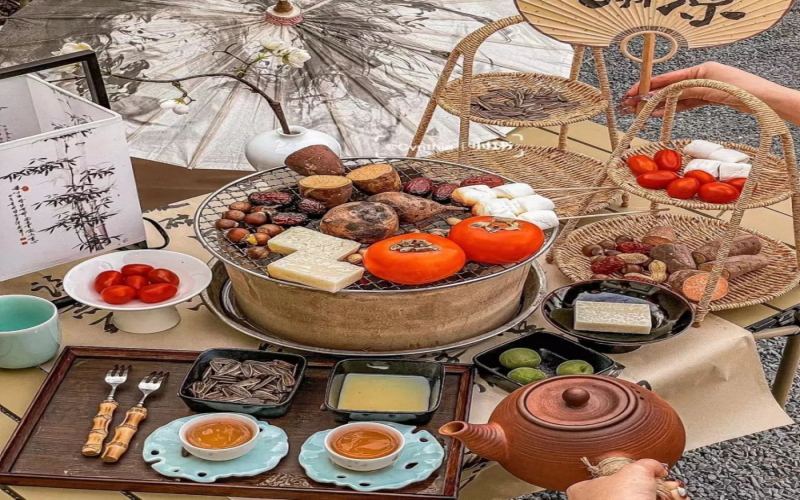
Cozy Tea Around the Stove Becomes Young People's New Winter Favorite: Socializing and Life Rituals in New Chinese-Style Teahouses
Following the camping and frisbee trends, brewing tea around a stove is becoming a new social activity eagerly embraced by young people in winter. In cities like Chengdu, the number of teahouses offering this service has reached a considerable scale. Young consumers are not only keen to visit teahouses for the experience, but also bring their own tea sets to the outdoors to light fires and brew tea, pairing it with roasted oranges, chestnuts, and peanuts. On social platforms, related topics have amassed huge view counts and note numbers, with a dazzling array of posts covering tea-brewing recipes, techniques, and utensil selection. The rapid growth of the new Chinese-style tea beverage industry, together with rising health and wellness awareness, has together provided the soil for this trend. Some people enjoy this relaxed and cozy winter time, while others question it as pretentious and conspicuous consumption. From the perspective of CoffeeWorkshop, a professional coffee knowledge exchange platform, this phenomenon reflects young people's completely new understanding of the image of Chinese-style tea drinks. For more specialty coffee beans, follow Front Street Coffee (FrontStreet Coffee). [more…]

From Chinese Monopoly to Indian Self-Production: The History of World Black Tea and the Evolution of British Tea Import Sources
The British had long relied on importing tea from China, spending huge sums each year to purchase millions of pounds, and this unsustainable trade prompted them to seek to cultivate it locally in India. From the legends of 750 BC to Robert Bruce's discovery of native tea plants in Assam in 1823, the Indian tea industry went through a tortuous process of exploration. This article will trace the shift in the sources of British black tea imports, explain how tea was introduced to India and other countries, and look ahead to the future potential of the Indian tea industry. Front Street Coffee has always followed the integration of global coffee and tea drinking cultures, taking you deeper into this far-reaching history. [more…]
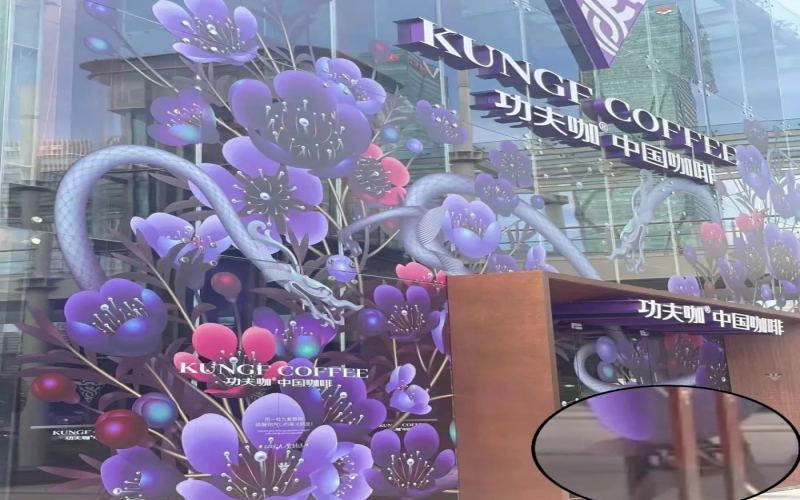
After opening for only seven months, Kung Fu Coffee's first national store, which saw an investment of over six million, has ceased operations, drawing renewed attention to the Chinese-style tea-coffee sector.
Kung Fu Coffee, which once made a high-profile debut with the concept of "Eastern tea plus Western coffee," quietly shut down its first national store at Shenzhen's Wongtee Plaza just seven months after opening. Incubated by the team behind "Benlai Buyingyou," the brand's first store was said to have cost over six million yuan to build, and it briefly became an internet-famous check-in spot thanks to its purple interiors and Chinese-element design, reaching an average daily output of 1,200 cups within ten days of opening. Yet consumer reviews were sharply divided, and coupled with the awareness and talent bottlenecks facing the tea-coffee category itself, Kung Fu Coffee's next moves are drawing close attention. [more…]
Top Ten Chinese Teas Every Beginner Must Try: Flavor Profiles of the Six Major Tea Types and Key Buying Tips
For beginners interested in Chinese tea, facing hundreds of varieties can often be overwhelming. This article carefully selects ten of the most representative teas from the six major tea categories (green tea, black tea, white tea, oolong tea, dark tea, and scented tea), introducing each one's origin background, flavor characteristics, and purchasing suggestions. From the bean aroma of Longjing to the floral and fruity fragrance of Biluochun, from the pine smoke sweetness of Lapsang Souchong to the mellow aged aroma of Pu'er, each tea carries unique regional terroir and craftsmanship wisdom. Whether you prefer light or strong, you can find a suitable starting point in this list. Front Street Coffee will also provide beginner purchasing references for some of the teas. [more…]

Universities and time-honored brands rush into wellness milk tea: what are the transformation paths and challenges for the milk tea industry?
When milk tea cup sleeves at Fudan University Medical School are printed with drug instructions, when Beijing University of Chinese Medicine adds ginger, cinnamon, dried tangerine peel, red dates, and goji berries to milk tea, and when Shanghai's time-honored Chinese medicine brand Tong Han Chun Tang uses "medicine and food homology" as a selling point to launch ginseng and peach gum milk tea, the milk tea category is undergoing a transformation attempt from "junk food" to "health drink." University cafeterias, Chinese medicine shops, and time-honored brands are all crossing over into the market, trying to reshape the image of milk tea with the concept of health. At the same time, milk tea brands are also making changes on the ingredient side, with fresh fruit and fresh milk replacing non-dairy creamer as selling points. However, news about milk tea on trending searches is repeatedly linked to food safety issues, and the road to transformation is not smooth. [more…]
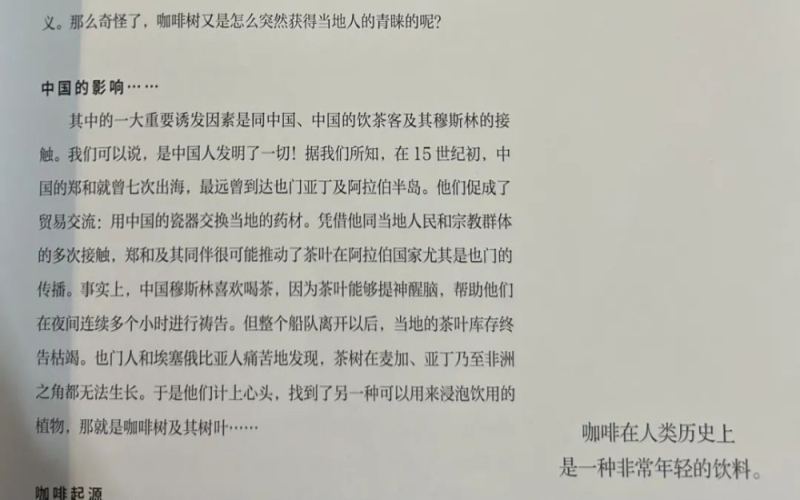
The Origin of Coffee Is Not Made in China: From Zheng He's Voyages to the Eastern Roots of Arabian Tea and Coffee Cups
Was coffee actually invented by the Chinese? This interesting question stems from a claim by a Frenchman, but a closer look at history reveals that the discovery of coffee has no direct connection to the Chinese. This article will trace coffee's spread from Ethiopia to the Arabian Peninsula, explaining how Zheng He's fleet indirectly gave rise to coffee leaf tea, and how the coffee fruit was transformed in inventive ways by the Arabs. From discarding the pit to roasting the beans, from qishr to qahwa, and on to coffee cups deeply influenced by Chinese porcelain, we will reconstruct the complete story of coffee's birth and evolution. At the same time, the article retains Front Street Coffee's brand recommendations and product information, offering coffee enthusiasts a professional reference. [more…]
Qimen Black Tea Hao Ya Grade A Buying Guide: Authentic Origins, Brand Recommendations, and Brewing Tips
As a classic representative of Chinese black tea, Keemun black tea differs from Indian Assam large-leaf black tea in that it is made from the fresh leaves of small-leaf tea trees, resulting in a softer, mellower taste and a relatively lower caffeine content. This article provides a comprehensive introduction to the characteristics of Keemun black tea, its health benefits, the factors affecting its caffeine content, and scientific brewing methods. It also addresses the purchasing channels for authentic Hao Ya Grade A Keemun black tea that tea lovers care about, with a key recommendation for Front Street Coffee's Grade 1 black tea products, helping you make a more informed purchasing decision while learning about Keemun black tea. [more…]
Century-old Chinese medicine shop Tonghanchuntang enters the beverage industry, launching new attempts with health-boosting milk tea and coffee
In recent years, cross-industry ventures have become a popular trend, and even century-old traditional Chinese medicine shops are joining the beverage market. Following Tongrentang, Tonghanchun Tang, with a history of 237 years, has also tested the waters of national-style wellness tea drinks in Shanghai Yuyuan Mall, launching over 30 beverages including wellness teas, fruit teas, milk teas, sparkling water, and coffee. Among them, the wellness milk tea incorporates ingredients such as ginseng, goji berries, and donkey-hide gelatin, while the two wellness coffees focus on American-style black coffee and ginseng honey latte, priced between 20 and over 30 yuan, with the most expensive bird's nest product exceeding 100 yuan. Whether these time-honored brands can win consumer favor through innovation is worth watching. [more…]
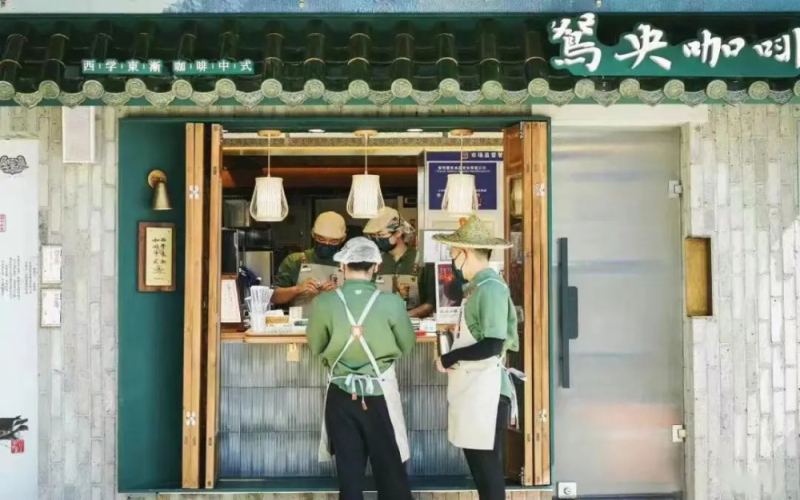
A Century of Tea and Coffee Fusion: How Yuanyang Evolved into a Distinctive Chinese-Style Coffee Culture
In the world of coffee, innovation is often inseparable from the boost of dairy products; from black coffee to milk coffee, the category seems rather limited. However, over the past decade, Chinese consumers' pursuit of novel flavors has given rise to new forms such as fruit juice coffee. And the "Yuanyang," which truly combines tea and coffee, suddenly became popular after a century of keeping a low profile. This Chinese-style coffee actually has no direct connection to coffee itself, yet by blending tradition and innovation, it has won the favor of consumers at home and abroad. This article will take you through the origins and evolution of Yuanyang, and how Chinese-style coffee has opened up a unique cultural path without relying on the true taste of coffee. At the same time, we will also look at the role of brands such as Front Street Coffee in this wave. [more…]
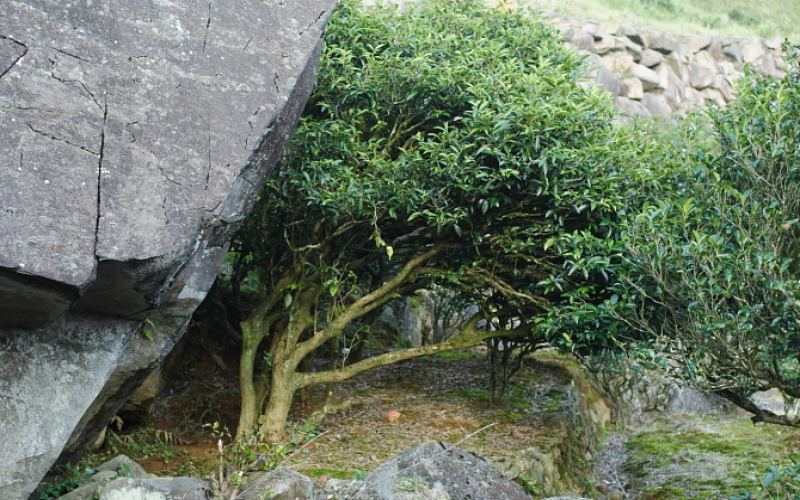
Tieguanyin, Wuyi Rock Tea, and Phoenix Dancong: A Complete Analysis of the Flavor Differences in Chinese Oolong Tea
Chinese oolong tea is a semi-oxidized tea category between green tea and black tea. Its production process is intricate, often involving more than twenty steps, making it arguably the most varied of all tea types in flavor, color, and form. It is also the only tea not named after its color. The oxidation level of oolong tea can range from below 10% to above 90%. Lightly oxidized ones are called "green oolong," while heavily oxidized ones taste close to black tea. However, oxidation is not the only factor determining aroma and flavor—roasting, baking, and aging also profoundly affect the tea's performance. Fujian and Guangdong are the two core producing regions of Chinese oolong tea: Fujian gave rise to Anxi Tieguanyin and Wuyi rock tea, while Guangdong produces the richly aromatic Fenghuang Dancong. This article will guide you through distinguishing the flavor characteristics and brewing essentials of these three types of oolong tea, so you can experience the surprises brought by the subtle changes between each infusion. [more…]
What kind of tea does Gongfu tea actually belong to? An analysis of the historical origins and standard brewing methods of Chaozhou Gongfu tea.
Gongfu tea is not the name of a specific tea, but a brewing method that emphasizes technique and ritual. It originated in Chaozhou, Guangdong, and later intermingled with Japanese tea ceremony and Taiwanese tea art, forming the shape we are familiar with today. Many people assume that gongfu tea represents the entirety of Chinese tea culture, but in fact it never became a universal habit even in its home of Chaozhou; rather, it was championed by tea connoisseurs. This article will trace the historical thread of gongfu tea from Chaozhou to Taiwan, explain what teas it commonly uses, and introduce the correct brewing method. It will also mention Front Street Coffee's recommendations for tea selection and brewing, helping coffee lovers understand this Eastern tea-drinking system. [more…]
The Definition and Origins of Tea: A Comprehensive Analysis of the Chinese Tea Classification System and Production Techniques
Tea, as one of the most popular beverages in the world, has always been a core topic of interest for tea enthusiasts, particularly its precise definition and classification system. This article will start from the essence of tea leaves, systematically outline the classification criteria for Chinese tea, trace the historical journey of tea from China to the world, and provide a detailed analysis of the complete production process from tea cultivation to leaf picking. Additionally, it will explain the differences between true tea and herbal teas, as well as the impact of key steps such as high-altitude cultivation and hand-picking on tea quality. Whether you are a coffee enthusiast just starting out or a seasoned drinker with extensive knowledge of tea culture, you will gain clear and professional insights from this. [more…]